|
|
1.Definition Lithium-ion battery cell PACK, also known as battery module is a lithium-ion battery production process, is the packaging, packaging, assembly means, refers to multiple lithium-ion single cell group through the parallel-series connection, and consider the mechanical strength of the system, thermal management, BMS matching and other issues. Its important technology is reflected in the overall structural design, welding and processing technology control, protection level, active thermal management system. If two batteries are connected in series or parallel and formed into a specific shape according to customer requirements, it is called PACK. 2. Composition of Battery PACK The battery PACK consists of several parts, including the single battery module, electrical system, thermal management system, case and BMS.
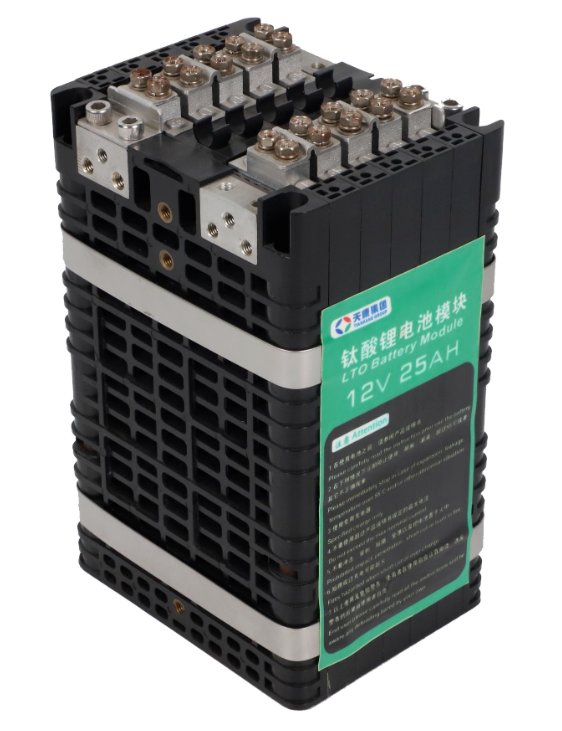
Battery Module: If the battery PACK is compared to a human body, then the module is the "heart", responsible for the storage and release of electrical energy.
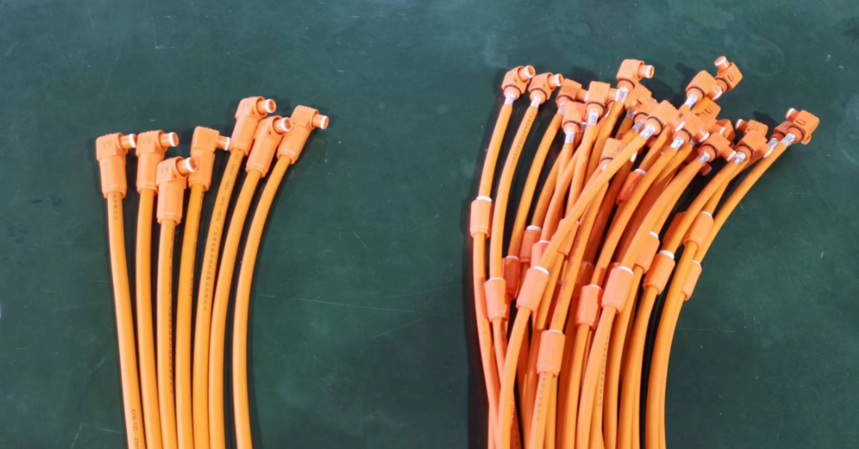
Electrical system: It is mainly composed of connecting copper liner, high-voltage wiring harness, low-voltage wiring harness, and electrical guarantee devices. The high-voltage wiring harness can be regarded as the "artery and blood vessel" of the battery PACK, which continuously delivers battery power to the end load, while the low-voltage wiring harness can be regarded as the "neural network" of the battery PACK, which transmits real-time detection signals and control signals.
Batteries generate heat in the discharge mode. To ensure that the batteries work in a reasonable ambient temperature and to enhance the cycle life of the batteries, it is generally required that the temperature difference of the system is ≤5℃. Box: mainly composed of box, box cover, metal brackets, panels and fixing screws, can be regarded as the "skeleton" of the battery PACK, playing the role of support, resistance to mechanical shock, mechanical vibration and environmental protection.
3. Characteristics of Battery PACK ▶ PACK lithium battery packs require a high degree of cell consistency (capacity, internal resistance, voltage, discharge curve, life). ▶ The cycle life of the PACK is lower than that of a single cell. ▶ Use under limited conditions (including charging and discharging current, charging method, temperature, etc.) ▶ The battery voltage and capacity of the lithium battery pack PACK is greatly increased after molding, and must be protected and monitored for charge equalization, temperature, voltage, and overcurrent. ▶ Battery PACK must meet the voltage and capacity requirements needed for the design. 4. PACK method ▶ Series-parallel composition: Battery module consists of single cells connected by parallel and series. The parallel connection increases the capacity, the voltage remains the same, the series connection multiplies the voltage, the capacity remains the same. For example: the voltage of 3.2V cells, 15 in series, is 48V, this is the series boost. For example: the capacity of 50Ah battery cell, two parallel connection, there will be 100Ah, this is the parallel expansion. ▶ Cell requirements: according to their own design requirements to select the corresponding cell, parallel and series connection of the battery requirements of the same type, the same model, capacity, internal resistance, voltage value difference of not more than 2%. Regardless of whether it is a soft-packed battery or a cylindrical battery, it needs to be combined in multiple strings.
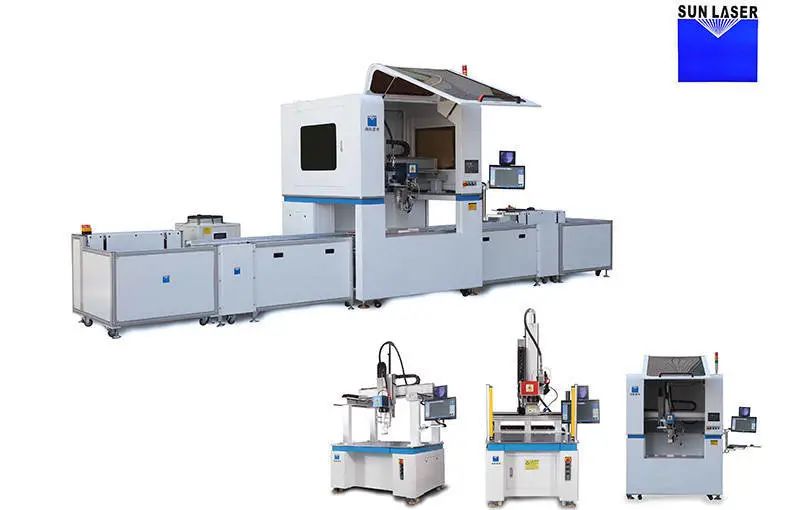
The second is to contact through the elastic metal plate, the advantage is that no welding, battery replacement is easy, the disadvantage is that it may lead to poor contact. Comprehensive consideration of production yield, efficiency and the internal resistance of the connection point, laser welding is now the first choice of many battery manufacturers. 5. How to read the battery PACK technical parameters Item Name--Parameter index Combination mode--1P24S Rated capacity--280Ah Rated Voltage--76.8V Rated Energy--21.504kWh Maximum multiplication rate--0.5CP Weight--138±3kg ▶ Combination: 1P24S Editor's explanation:S stands for series core, P stands for parallel core, 1P24S means: 24 series and 1 parallel. The voltage is multiplied after series connection, and the rated voltage is 3.2*24=76.8V. ▶ Rated capacity:280Ah Editor's note:The rated capacity of a battery is the capacity of a battery that can continue to work for a long time under rated operating conditions. The rated capacity of a battery, C, is the product of the discharge current, A, and the discharge time, h. So 280Ah is the maximum capacity of the battery. Therefore, 280Ah means that the battery can be discharged for 2h at a maximum multiplication rate of 0.5C. ▶ Rated energy:21.504kWh Explanation:Rated energy (Wh) = Nominal capacity (Ah)*Nominal voltage (V), so the total energy that a battery can discharge is related to both capacity and voltage. Nextnews test 09 |
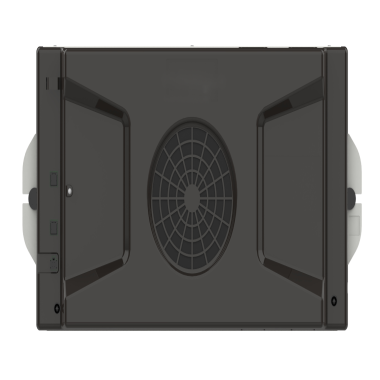
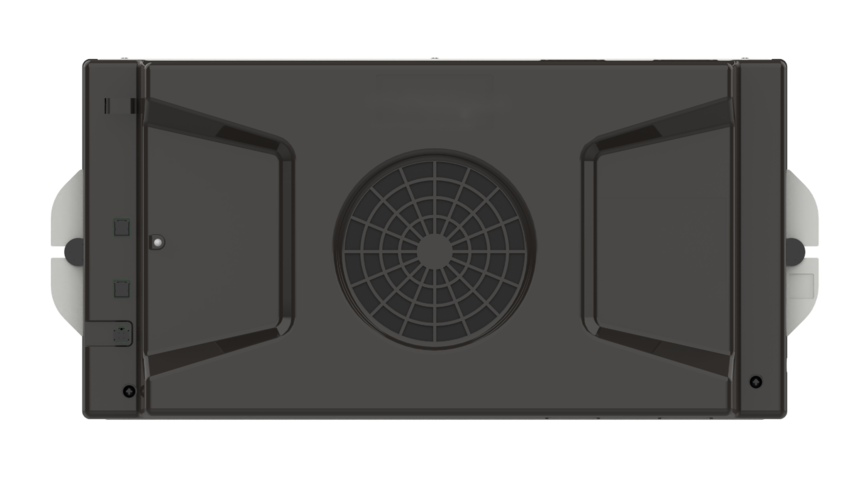
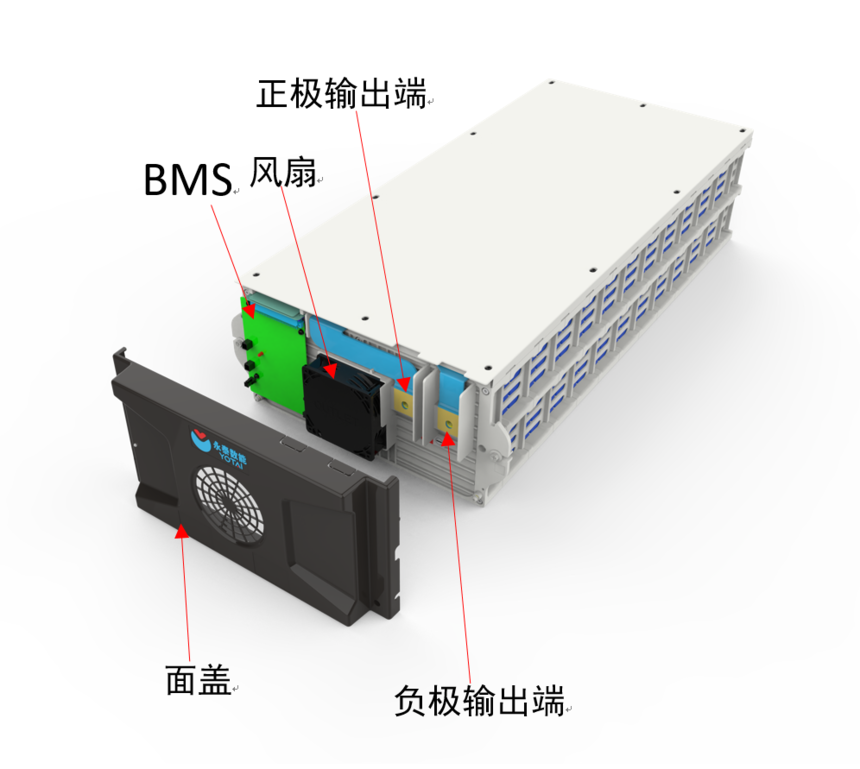
 Thermal management system: Thermal management system mainly has: air-cooled, liquid cooling two ways, and liquid cooling can be divided into cold plate liquid cooling and immersion liquid cooling. The thermal management system is equivalent to installing an air conditioner for the battery PACK.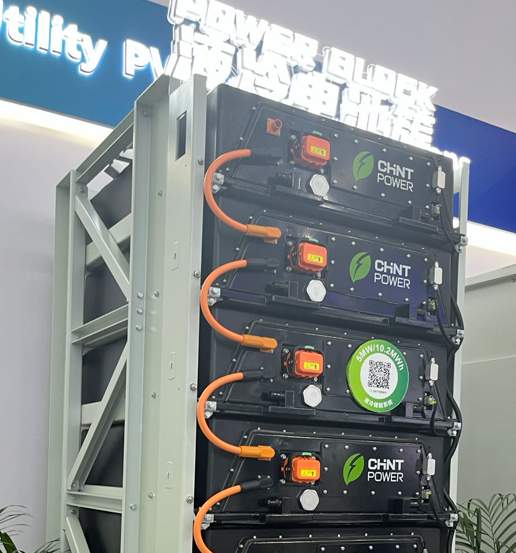
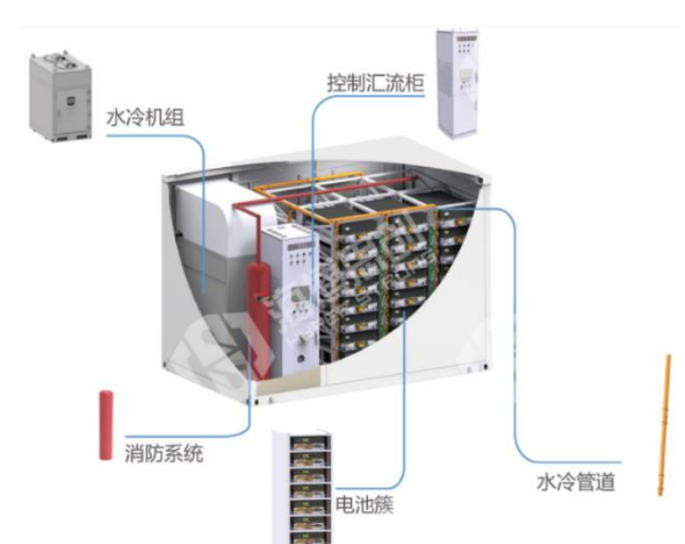
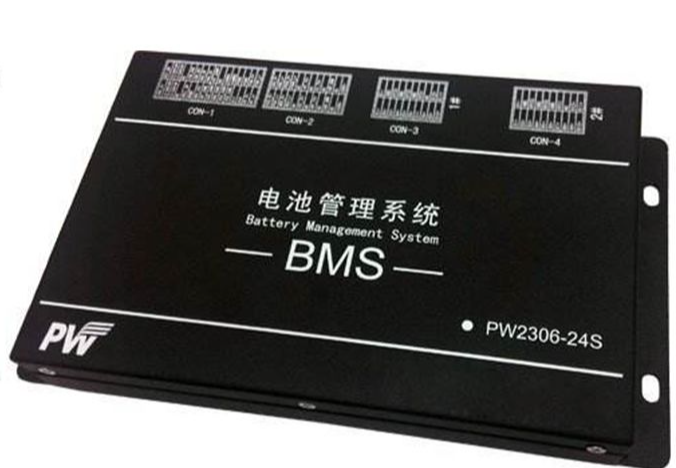
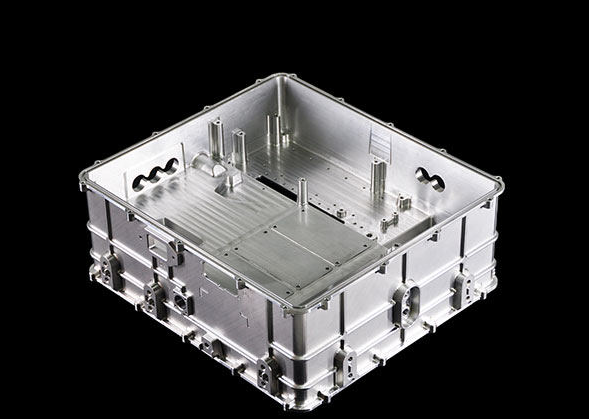 BMS: Battery management system Battery management system can be regarded as the "brain" of the battery. It is mainly responsible for measuring the battery's voltage, current, temperature and other parameters, as well as equalization and other functions. The data can be transmitted to MES.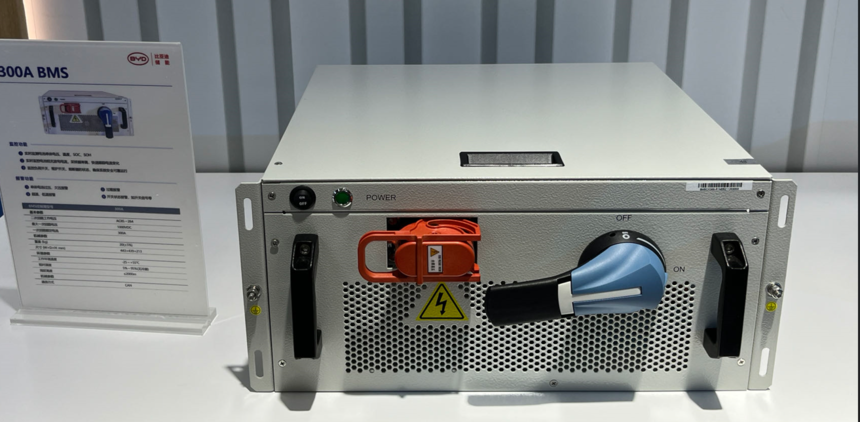
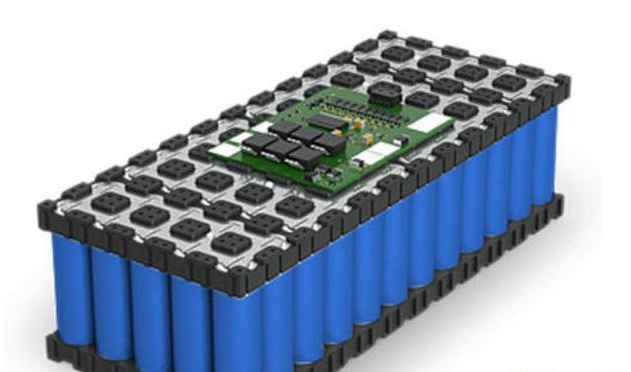 ▶ PACK process: The PACK of the battery is realized in two ways, one is by laser welding or ultrasonic welding or pulse welding, which is the commonly used welding method with the advantage of better reliability but not easy to replace.